 Subscribe: Gist E-Paper
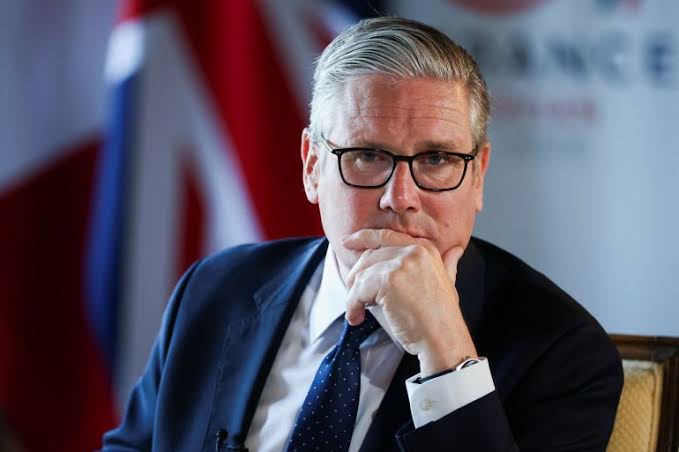
Sir Keir Starmer has announced his resignation as Prime Minister of the United Kingdom and leader of the Labour Party, bowing to weeks of mounting political pressure and internal party unrest. The announcement was made on Monday, June 22, during an emotional statement outside 10 Downing Street, where he confirmed his decision to step aside after less than two years in office.
A visibly emotional Starmer said every decision he had taken as prime minister was guided by his commitment to putting Britain first. Reflecting on his time in office, he expressed gratitude to his family, particularly his wife, Victoria, whom he described as his “rock” throughout the challenges of public service. He also said he looked forward to spending more time with his children and focusing on family life.
The outgoing prime minister revealed that he had informed King Charles III of his decision and would remain in office in a caretaker capacity until a new Labour Party leader is elected. He urged the party’s governing body to complete the leadership transition before Parliament reconvenes in September to ensure stability in government.
Starmer’s resignation follows months of political turbulence within the Labour Party, fuelled by poor local election results, declining public approval ratings and growing calls from Labour lawmakers and cabinet members for a change in leadership. More than 100 Labour MPs had reportedly urged him to step down in the wake of the party’s disappointing electoral performances.
Attention has now turned to the race to succeed Starmer, with Andy Burnham widely regarded as the frontrunner. Burnham recently secured victory in the Makerfield by-election and is expected to be sworn in as a Member of Parliament, strengthening his position ahead of the leadership contest.
Starmer’s departure marks another significant chapter in Britain’s turbulent political landscape and paves the way for the country\\\'s seventh prime minister in a decade. Political observers say the outcome of Labour’s leadership election will play a crucial role in shaping the future direction of both the party and the United Kingdom.