 Subscribe: Gist E-Paper
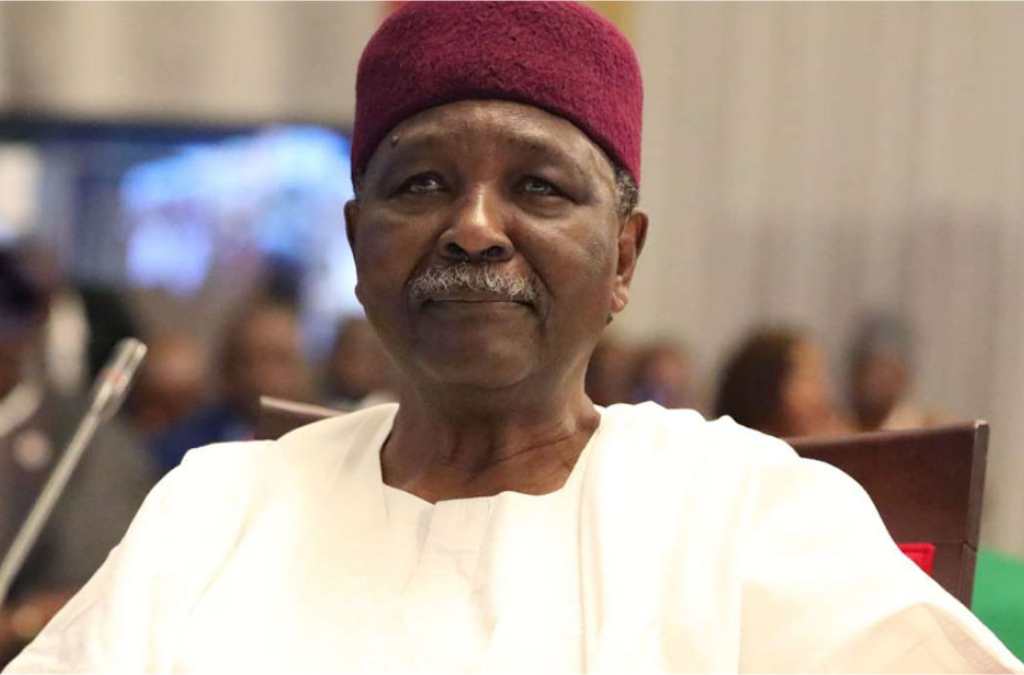
Former Head of State, Yakubu Gowon, has revealed fresh details about Nigeria’s Civil War, disclosing how late nationalist leader, Obafemi Awolowo, intervened to save late military ruler, Murtala Mohammed, from being removed from command during the war.
Gowon also disclosed that despite the bitter conflict, he never wanted former Biafran leader, Chukwuemeka Odumegwu Ojukwu, captured or killed.
The revelations are contained in Gowon’s autobiography, My Life of Duty & Allegiance, where the former wartime leader reflected on the rivalries, military decisions and political tensions that shaped the 1967–1970 Civil War.
According to Gowon, one of the most controversial moments of the war was the failed federal attempt to cross the River Niger into Onitsha under Murtala’s command, despite repeated warnings from Army Headquarters.
“As the Commander-in-Chief, I considered his plan quite suicidal,” Gowon wrote, explaining that he advised Murtala to approach through safer land routes already secured by federal troops.
He said Murtala ignored the advice because of rivalry with another commander, insisting on crossing the river with boats and barges, a move that ended in heavy losses of men and equipment.
Gowon, however, praised Murtala’s bravery, describing him as an audacious field commander despite the disastrous outcome of the operation.
The former Head of State further revealed that tensions within the federal command deepened after Murtala allegedly sent him an insulting message from the battlefield, asking him to leave “the comfort” of Dodan Barracks and experience the realities of war firsthand.
Gowon said the message angered him so much that he considered removing Murtala immediately, but Awolowo stepped in and appealed for restraint.
“Chief Awolowo noticed the depth of my anger and promptly intervened on his behalf,” Gowon recalled, adding that the shortage of experienced officers during the war also influenced his decision to overlook the incident.
On the fate of Ojukwu, Gowon insisted that although many wanted the Biafran leader crushed completely, he believed Nigeria needed reconciliation after the war.
“I always thank God we did not capture him before or during the war. But to kill him? Never,” he wrote.
Gowon maintained that the war was fought to preserve Nigeria’s unity and not to settle personal scores, a position he said later informed the Federal Government’s “No Victor, No Vanquished” policy after the war ended in January 1970.
The former military ruler also revisited the collapse of peace talks after the Aburi meeting in Ghana, blaming distrust and hardened political positions for the eventual outbreak of full-scale war.
He acknowledged that the killings of Igbos in parts of Northern Nigeria after the 1966 coups worsened national tensions, but maintained that efforts to avoid war continued until Biafra declared secession.
Gowon further revealed that disagreements over an armistice almost disrupted the final surrender negotiations, as he feared ceasefire proposals could allow Biafran forces to regroup.
The memoir also detailed internal crises within the 3 Marine Commando under Colonel Benjamin Adekunle, with Gowon admitting that battlefield fatigue and declining troop morale eventually weakened the division.
Looking back on the conflict, Gowon said he should have relieved Adekunle of command much earlier, while acknowledging the contributions and sacrifices of commanders on both sides of the war.