 Subscribe: Gist E-Paper
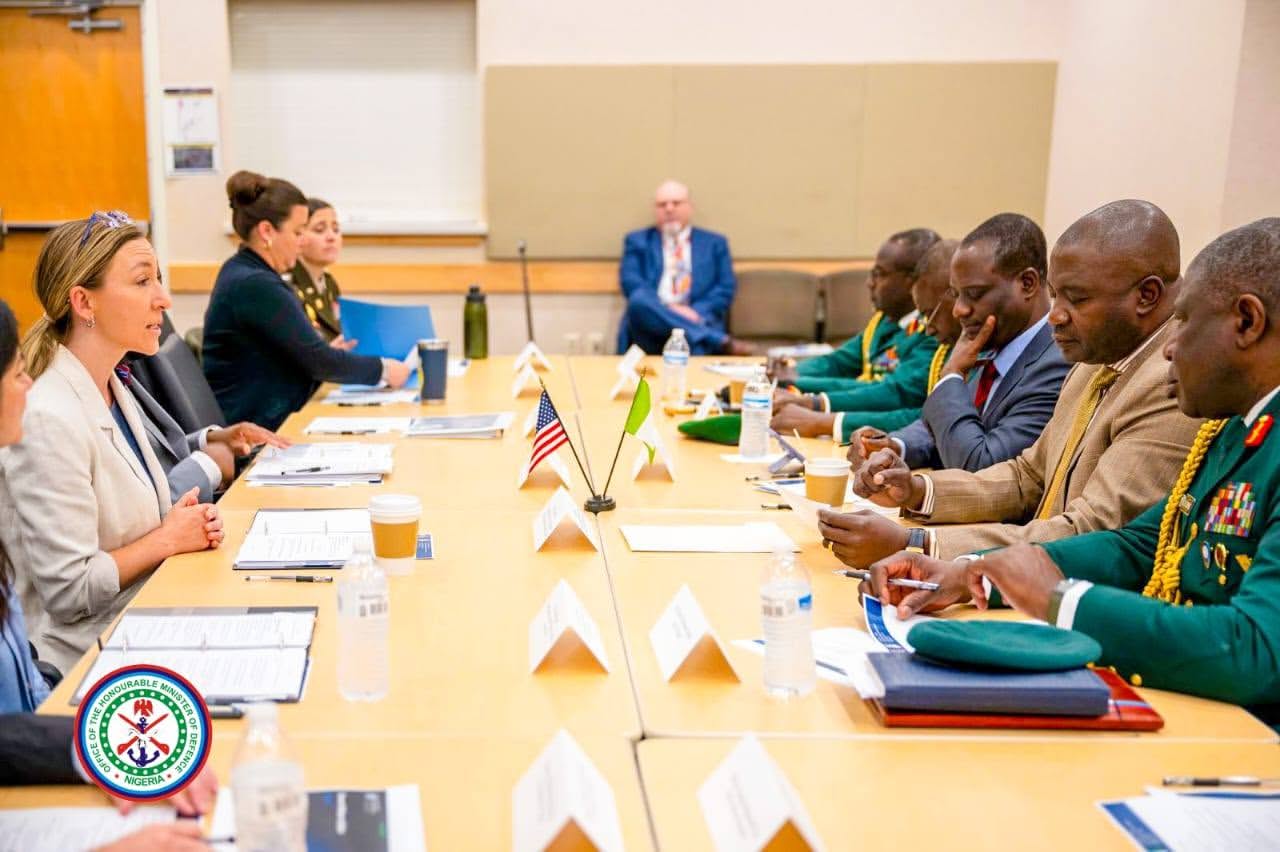
Nigeria and the United States have reaffirmed their commitment to strengthening defence cooperation and tackling terrorism following high-level bilateral talks held in Washington, D.C.
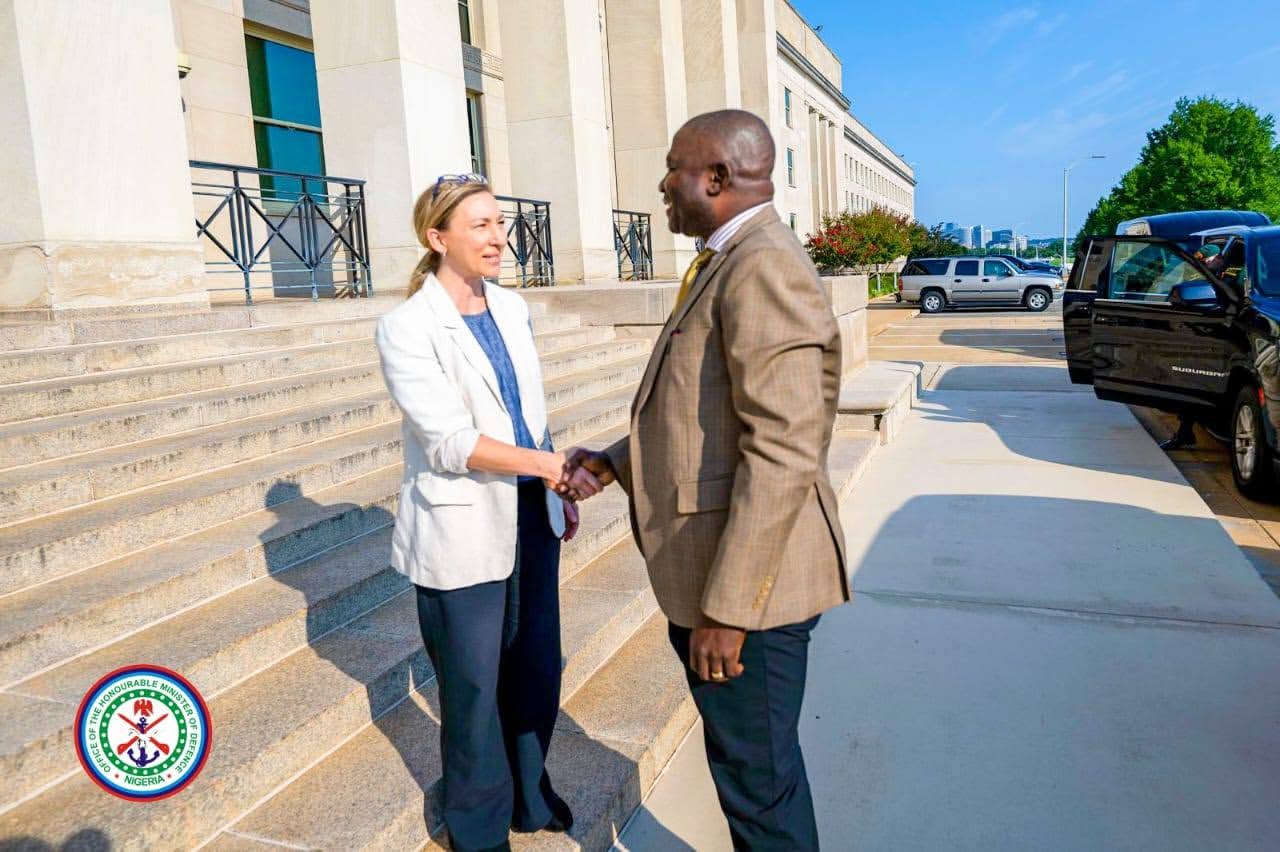
The meeting was led by the Minister of Defence, General Christopher Gwabin Musa (retd.), who concluded strategic engagements with senior United States officials aimed at deepening military-to-military relations and enhancing security collaboration between the two countries.
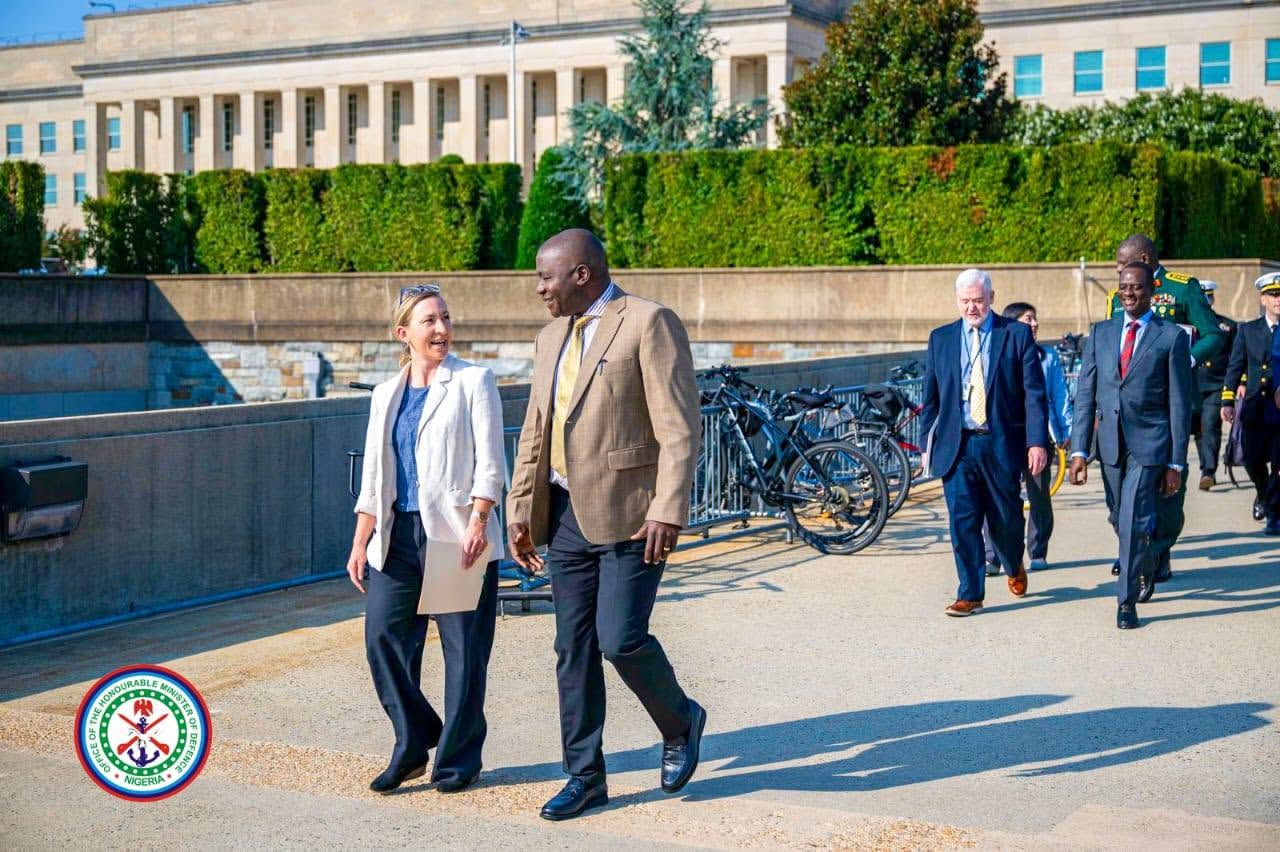
The Nigerian delegation included the Minister of Finance and Coordinating Minister of the Economy, Mr. Taiwo Oyedele; the Chief of Defence Staff, General Olufemi Oluyede; the Chief of Defence Intelligence, Lt. Gen. Parker Udiandeye; and other senior officers of the Armed Forces of Nigeria.
At the Pentagon, the delegation held discussions with senior officials of the U.S. Department of War, led by the Acting Principal Deputy Assistant Secretary of War for International Security Affairs, Julia Sokol.
The talks built on the outcomes of the United States–Nigeria Joint Working Group Defence Bilateral Talks, with both countries reviewing areas of cooperation in intelligence sharing, counter-terrorism operations and broader security architecture.
The defence engagements formed part of the broader U.S.–Nigeria Joint Working Group meeting held in Washington from August 12 to 13, 2026.
The Nigerian delegation to the joint working group was led by the National Security Adviser, Mallam Nuhu Ribadu, alongside other senior government officials.
The meeting was co-chaired by Ribadu and the U.S. Under Secretary of State for Political Affairs, Allison Hooker, who assessed progress on agreed security initiatives and strategic frameworks following Nigeria's designation as a Country of Particular Concern (CPC).
Both countries reaffirmed their commitment to sustained dialogue, mutual respect and closer strategic cooperation in addressing regional and global security challenges.
The Ministry of Defence said the engagements underscored the growing partnership between Nigeria and the United States in promoting peace, stability and effective responses to evolving security threats.