 Subscribe: Gist E-Paper
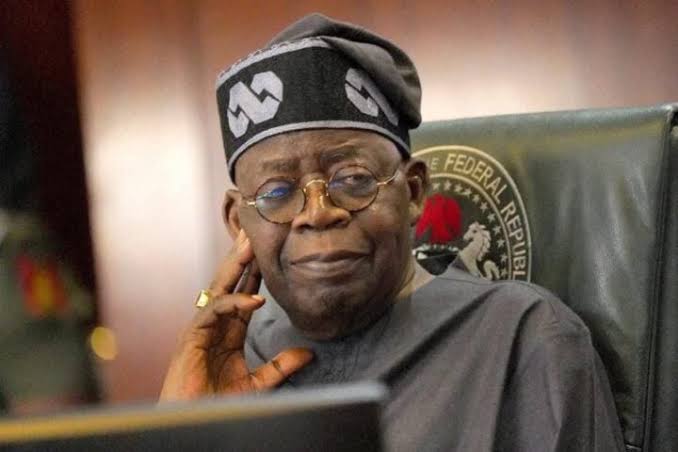
President Bola Tinubu has reportedly declined to receive a special envoy sent by South African President Cyril Ramaphosa as diplomatic tensions between both countries deepen over renewed xenophobic attacks against Nigerians living in South Africa.
The South African delegation, led by the country\'s Minister of International Relations and Cooperation, Ronald Lamola, arrived in Abuja on Friday with what officials described as an important message from President Ramaphosa. However, the delegation was unable to secure a meeting with President Tinubu.
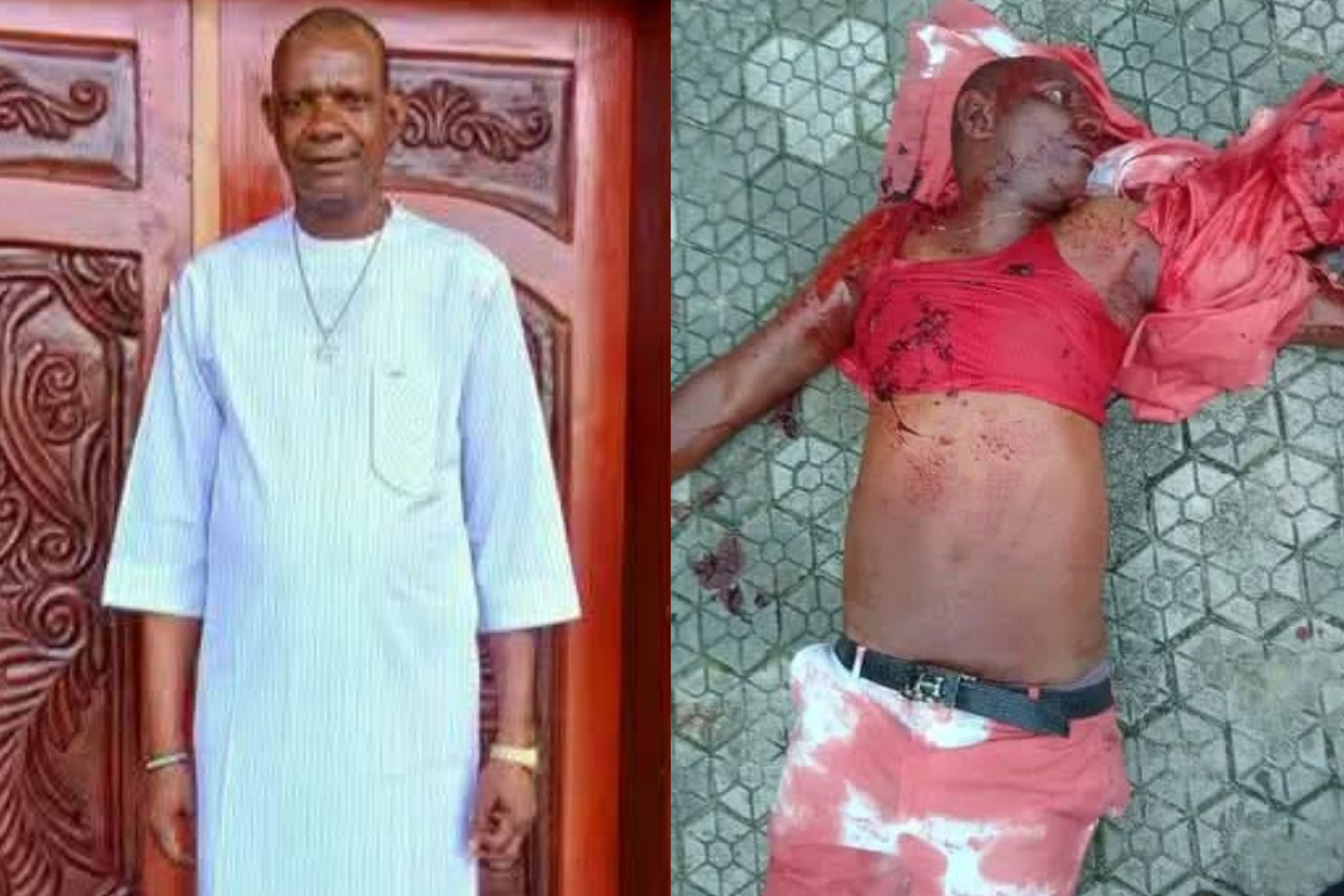
The diplomatic development followed the reported killing of a Nigerian, Chika Ibe, who was allegedly arrested from his residence at Parksig Villas Complex in Bellville, Cape Town, and tortured to death by personnel of the South African Police Service (SAPS), further fuelling concerns over the safety of Nigerians in the country.
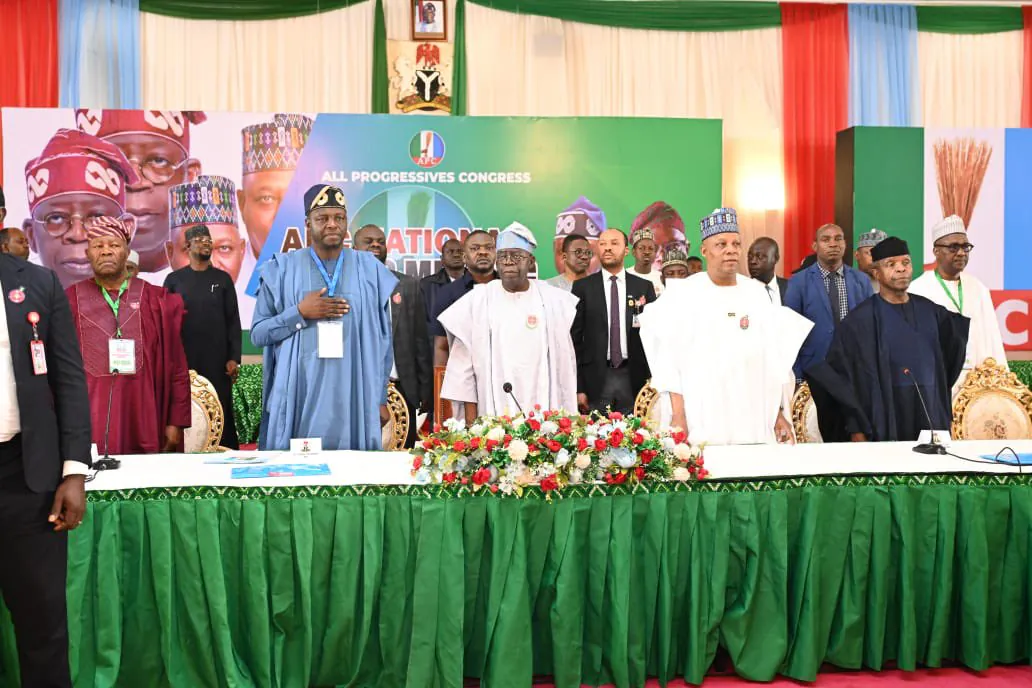
Nigeria has repeatedly condemned attacks on its citizens in South Africa. Speaking recently at the 69th Ordinary Session of the ECOWAS Authority of Heads of State and Government in Lungi, Sierra Leone, Vice President Kashim Shettima reaffirmed Nigeria\'s commitment to championing stronger African Union measures against xenophobia and other forms of violence targeting African nationals.
Shettima also disclosed that the Federal Government had evacuated 1,490 Nigerians affected by previous xenophobic attacks, while pledging continued collaboration with regional and continental institutions to safeguard the rights and dignity of Africans across the continent.
Diplomatic sources indicated that the Minister of Foreign Affairs, Ambassador Bianca Odumegwu-Ojukwu, advised that the timing was inappropriate for President Tinubu to receive the South African delegation, citing the continued attacks on Nigerians, their businesses and properties in South Africa.
According to the sources, the minister maintained that beyond the absence of a prior appointment, Nigeria expected South Africa to demonstrate greater commitment by ratifying the Memorandum of Understanding on the Early Warning Mechanism signed by both countries in Abuja on October 22 last year.
The agreement was designed to strengthen cooperation on monitoring security threats, protecting citizens, improving consular relations and preventing xenophobic attacks through rapid communication and coordinated responses between both governments.
Nigerian officials also argued that the framework would have facilitated compensation for Nigerians whose businesses and properties were destroyed during previous attacks, noting that South African authorities have yet to compensate affected victims.
Presidency sources said President Tinubu had not agreed to meet the delegation as of the time of filing this report, while the outcome of a reported telephone conversation initiated by President Ramaphosa over the weekend remained uncertain.
Observers believe Pretoria\'s diplomatic mission may be aimed at easing growing tensions amid concerns that deteriorating relations could affect South African investments in Nigeria and strengthen Nigeria\'s push for tougher continental action against xenophobia.