 Subscribe: Gist E-Paper
June 12 occupies a unique place in Nigeria’s political history. More than a public holiday, it is a symbol of sacrifice, resistance, national unity and the enduring quest for democratic governance. Every year, Nigerians pause to reflect on the events of June 12, 1993, a date that changed the trajectory of the nation and became a rallying point for the struggle against authoritarian rule. The significance of June 12 lies not only in what happened on that day but also in the lessons it continues to offer about democracy, leadership and nation-building.
The June 12, 1993 presidential election is widely regarded as the freest, fairest and most credible election ever conducted in Nigeria. Nigerians across ethnic, religious and regional divides voted overwhelmingly in an atmosphere largely devoid of violence and electoral manipulation. The election demonstrated that national unity was achievable when citizens placed competence and vision above primordial considerations.
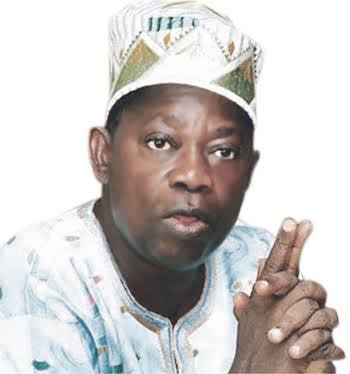
At the centre of the historic election was Chief Moshood Kashimawo Olawale (MKO) Abiola, the candidate of the Social Democratic Party (SDP), who was widely believed to have won the poll. Abiola\\\'s popularity transcended regional and religious boundaries, making him a symbol of national cohesion and democratic aspiration. His victory reflected the collective desire of Nigerians to return to civilian rule after years of military dictatorship.
However, the hopes generated by the election were abruptly dashed when the military government of General Ibrahim Babangida annulled the results. The decision plunged the nation into political uncertainty, public outrage and widespread protests. For millions of Nigerians, the annulment represented a betrayal of the people\\\'s mandate and a direct assault on democratic principles.
The annulment sparked one of the most significant pro-democracy movements in Nigeria\\\'s history. Civil society organisations, labour unions, student groups, journalists and human rights activists mobilised against military rule. Their campaigns transformed June 12 from an electoral event into a national symbol of resistance against oppression and injustice.
Many paid a heavy price for the struggle. Activists were arrested, media houses were shut down, and several pro-democracy advocates were forced into exile. Others lost their lives in the pursuit of democratic freedom. The sacrifices of these individuals laid the foundation for the democratic system Nigerians enjoy today.
The death of MKO Abiola in detention in 1998 further deepened the emotional and political significance of June 12. To many Nigerians, Abiola became a martyr of democracy whose personal sacrifice underscored the cost of defending the people\\\'s mandate. His legacy remains intertwined with Nigeria\\\'s democratic journey.
The eventual return to civilian rule on May 29, 1999 marked the beginning of the Fourth Republic. It ended decades of military domination and ushered in constitutional governance. Although the transition did not restore the June 12 mandate, it represented a significant victory for the democratic movement that emerged after the annulment.
For nearly two decades, Nigeria celebrated Democracy Day on May 29. However, many democracy advocates argued that June 12 better represented the true spirit of democratic struggle because it commemorated the people\\\'s freely expressed will rather than merely the transfer of power from military to civilian authorities.
In 2018, former President Muhammadu Buhari officially recognised June 12 as Nigeria\\\'s Democracy Day. The decision acknowledged the historical importance of the 1993 election and honoured the sacrifices of MKO Abiola and other democracy heroes. The move was widely seen as an effort to correct a longstanding historical injustice.
Today, June 12 serves as both a celebration and a reminder. It celebrates the triumph of democratic ideals over authoritarianism while reminding leaders and citizens alike that democracy requires constant vigilance, participation and accountability. Democracy is not sustained by elections alone; it depends on institutions, transparency and the rule of law.
Since 1999, Nigeria has achieved several democratic milestones. The country has conducted multiple general elections and witnessed successive transfers of power between elected governments. These developments have strengthened democratic norms and reduced the likelihood of military intervention in politics.
One of the most notable achievements of the Fourth Republic has been the increasing acceptance of electoral outcomes and peaceful transitions. The 2015 transfer of power from an incumbent ruling party to an opposition party was particularly significant, demonstrating that democratic competition could occur within constitutional boundaries.
Democratic governance has also expanded political participation. More Nigerians now engage in political discourse through traditional and digital media platforms. Civil society organisations continue to advocate for accountability, transparency and good governance, thereby enriching democratic culture.
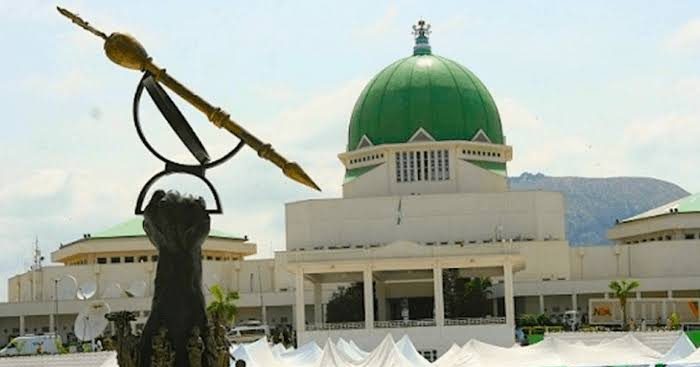
Furthermore, democratic rule has enabled the growth of institutions such as the National Assembly, the judiciary, electoral bodies and anti-corruption agencies. While these institutions remain imperfect, they have become important pillars in Nigeria\\\'s governance architecture.
Despite these gains, the democratic journey has not been without challenges. Electoral malpractice, vote-buying, political violence and voter apathy continue to undermine public confidence in the electoral process. Many citizens remain sceptical about whether elections truly reflect the will of the people.
Corruption remains another major obstacle. Although successive administrations have pledged to tackle corruption, public concerns persist regarding accountability, transparency and the effective management of public resources. The gap between democratic expectations and governance outcomes continues to generate frustration among citizens.
Insecurity has equally posed a serious threat to democratic consolidation. Terrorism, banditry, kidnapping and communal conflicts have strained state institutions and hindered socio-economic development. Security challenges often limit citizens\\\' ability to fully participate in democratic processes.
Economic hardship has further complicated Nigeria\\\'s democratic experience. Rising inflation, unemployment and poverty have led many Nigerians to question whether democracy has delivered the dividends promised since 1999. For democracy to remain meaningful, political freedom must be complemented by economic opportunities and improved living standards.
Another concern is the perceived weakening of public trust in institutions. Many citizens believe that political elites often prioritise personal interests over national development. This perception fuels cynicism and disengagement, particularly among young people.
Nevertheless, youth participation represents one of the most encouraging developments in Nigeria\\\'s democratic evolution. Through advocacy campaigns, social movements and electoral engagement, young Nigerians are increasingly demanding accountability and reform. Their growing involvement signals the emergence of a more active and informed citizenry.
Technology has also transformed democratic participation. Social media platforms have become powerful tools for political mobilisation, civic education and public scrutiny of government actions. Citizens now possess greater capacity to influence public discourse and hold leaders accountable.
The story of June 12 also highlights the importance of national unity. The 1993 election demonstrated that Nigerians can transcend ethnic and religious divisions when presented with credible leadership options. This lesson remains relevant as the nation continues to grapple with identity politics and regional tensions.
As Nigeria commemorates another Democracy Day, it is important to remember that democracy is a continuous process rather than a destination. The sacrifices made by MKO Abiola, Kudirat Abiola, Gani Fawehinmi, Frank Kokori and countless others should inspire a renewed commitment to democratic values and responsible citizenship.
The journey from the annulled election of June 12, 1993 to the present day reflects both remarkable progress and unfinished business. Nigeria has succeeded in sustaining civilian rule for over two decades, yet many governance challenges remain unresolved. The nation\\\'s democratic future depends on stronger institutions, credible elections, accountable leadership and active citizen participation.
Ultimately, June 12 is not merely about remembering the past; it is about shaping the future. It reminds Nigerians that democracy thrives when citizens defend their rights, demand accountability and participate actively in governance. The true legacy of June 12 will be fulfilled only when the ideals of justice, equity, freedom and prosperity become realities for all Nigerians.