 Subscribe: Gist E-Paper
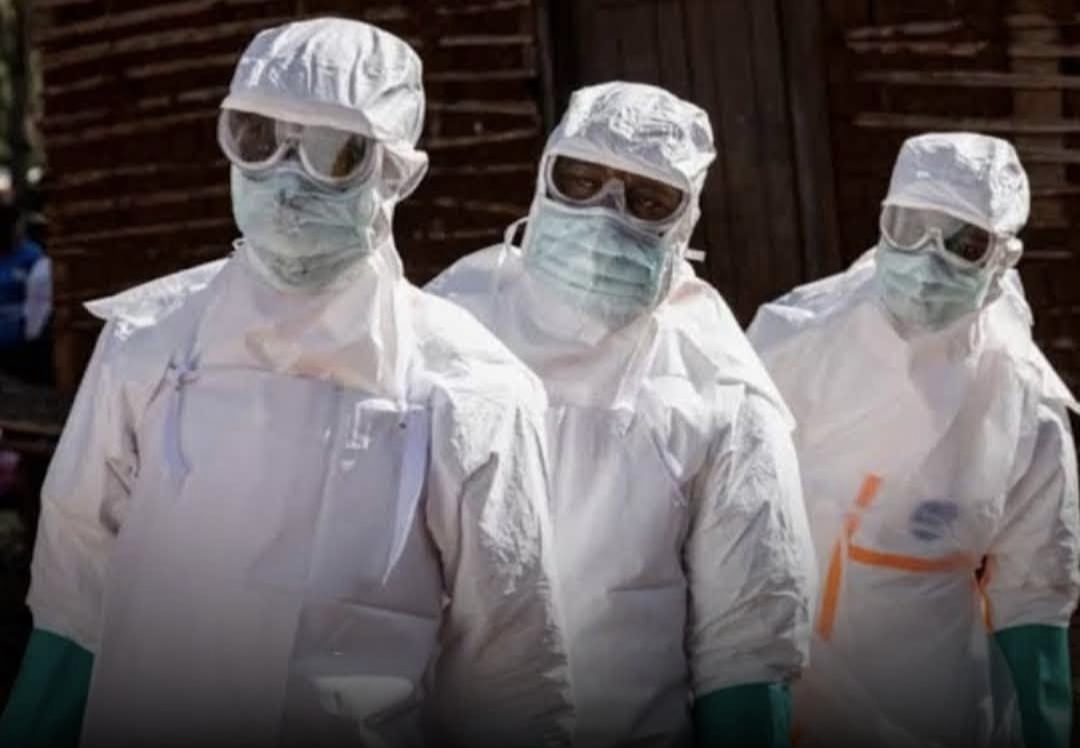
The World Health Organisation (WHO) has confirmed that the Ebola virus detected in Abuja is the Bundibugyo strain, for which no approved vaccine or specific treatment is currently available, raising concerns over Nigeria’s preparedness to contain the infection.
The development emerged on Wednesday during an emergency meeting of health officials, as fresh details indicated that the index patient arrived in Nigeria aboard an Ethiopian Airlines flight on October 3, 2026.
A highly placed aviation official told Vanguard that the female patient landed at the Nnamdi Azikiwe International Airport, Abuja, aboard Ethiopian Airlines Flight ET333.
The revelation is expected to assist ongoing contact-tracing efforts following confirmation of the country’s first reported case of the disease in the current alert.
Director of the Public Health Laboratory Service at the Nigeria Centre for Disease Control and Prevention (NCDC), Olajumoke Babatunde, said the virus underwent three levels of molecular testing before the Bundibugyo strain was identified.
The patient, described by an official as a diplomat, reportedly developed severe complications, including multi-organ failure. Her nationality was not disclosed.
She has since been transferred to a designated isolation facility, while the Federal Ministry of Health, NCDC and the FCT Health and Environmental Services Secretariat have intensified efforts to prevent further transmission.
Health authorities have identified 44 close contacts, including healthcare workers, fellow patients, caregivers and individuals connected to the patient’s travel itinerary.
Consequently, health facilities and port health surveillance units across the country have been placed on high alert.
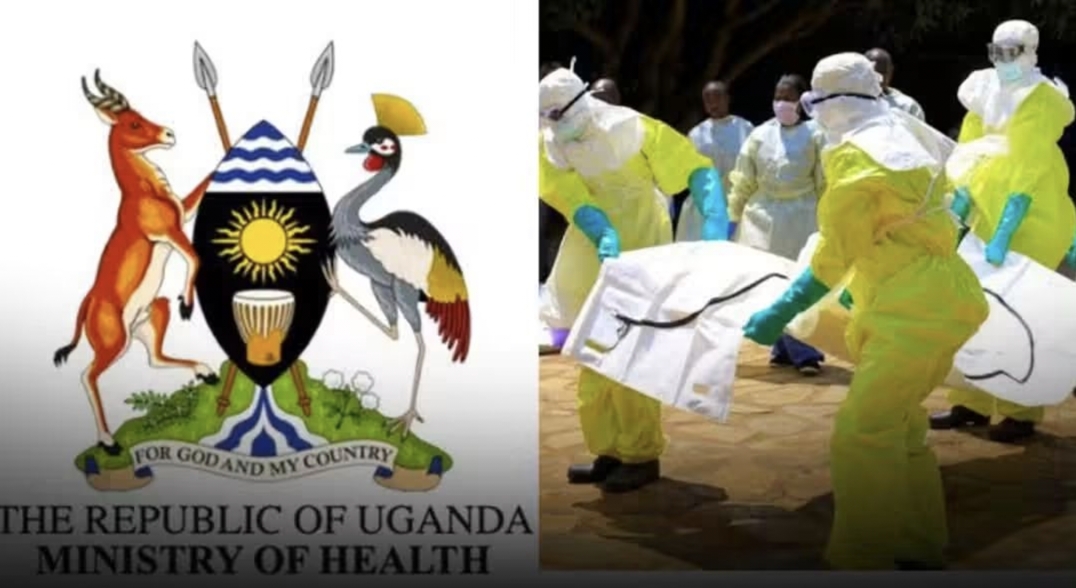
Meanwhile, Uganda has requested detailed travel and clinical records of the patient from Nigeria, insisting that her transit through the country does not establish that she contracted the virus there.
In a statement issued in Kampala, Uganda’s Director-General of Health Services, Professor Charles Olaro, said the information was necessary to guide further investigations and determine whether additional contact-tracing was required.
Ugandan authorities disclosed that preliminary information indicated that the woman travelled to the eastern Democratic Republic of the Congo for business before transiting through Uganda in early October without showing symptoms. She reportedly developed symptoms after arriving in Nigeria.
The Ugandan government said the location where the patient contracted the infection remained under investigation, adding that the country had no confirmed active Ebola cases as of the date of its statement.
Nigeria’s Coordinating Minister of Health and Social Welfare, Professor Muhammad Ali Pate, said the Federal Government was collaborating with Uganda to contain the risk and prevent the virus from spreading within the country.
Speaking after a meeting at the Office of the Chief of Staff to the President, Pate said the government was conducting contact-tracing and implementing containment measures.
He urged Nigerians to remain vigilant without panicking, stressing that the country had competent public health institutions and had successfully managed an Ebola outbreak in 2014.
The minister also cautioned against spreading misinformation, assuring the public that the government would provide regular updates as more information became available.
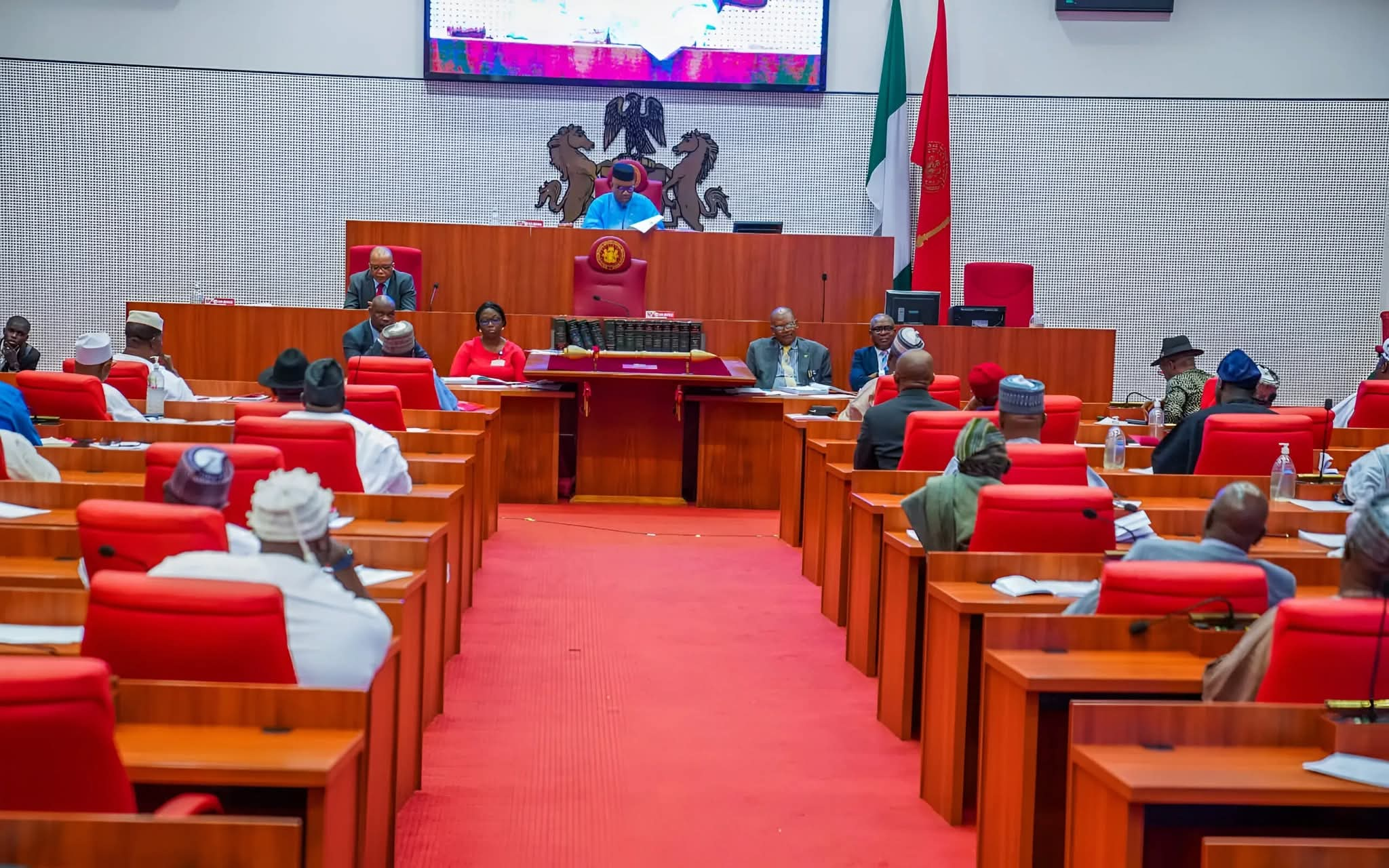
In a related development, the Senate and House of Representatives have called for urgent funding and stronger emergency response measures to prevent further transmission.
The Senate urged the Federal Ministry of Health and Social Welfare, NCDC and Port Health Services to introduce compulsory health screening for passengers arriving through all international airports, seaports and designated land borders.
The lawmakers called for temperature and symptom checks, alongside enhanced screening for travellers who had visited or transited affected areas within the preceding 21 days, irrespective of nationality.
They also urged the Federal Government to release emergency funds to relevant agencies and equip entry points with trained health personnel, thermal scanners, protective equipment and isolation facilities.
The Senate further called for the modernisation of Nigeria’s Quarantine Act, originally enacted in 1926, to align the country’s legal framework with contemporary public health requirements.
The resolutions followed a motion sponsored by Senator Francis Adedayo Faduyile, representing Ondo South Senatorial District.
Similarly, the House of Representatives adopted a motion of urgent public importance sponsored by Amobi Ogah, representing Isuikwuato/Umunneochi Federal Constituency of Abia State.
Presided over by Deputy Speaker Benjamin Kalu, the House urged the Federal Government to mobilise public and private health institutions and place them on heightened alert.
It also called on the Ministry of Finance to release outstanding appropriated funds to health agencies to support surveillance, laboratory testing, contact-tracing and other emergency operations.
The lawmakers further asked the Ministry of Health and NCDC to assess additional resources required to strengthen the country’s preparedness and response capacity.
Former Vice President Atiku Abubakar, however, challenged President Bola Tinubu’s administration to account for the N10 billion reportedly announced for Ebola preparedness.
In a statement issued by Phrank Shaibu, Director of Strategic Communication of the African Democratic Congress Presidential Campaign Council, Atiku demanded a public audit detailing the amounts disbursed, contracts awarded, recipients and supplies delivered.
He alleged that the Abuja case exposed gaps in disease surveillance and the protection of frontline health workers, questioning the delay between the patient’s reported arrival and the public confirmation of the infection.
Atiku also called for accountability over the handling of the case, while warning the government against using the outbreak as a justification to restrict political campaigns or voter participation.