 Subscribe: Gist E-Paper
The Bola Tinubu administration has formally taken over 371 solar-powered Primary Health Care (PHC) facilities across 17 states, marking the completion of a project supported by Gavi, the Vaccine Alliance and UNICEF to strengthen Nigeria’s primary healthcare system and expand access to essential services.
The facilities were handed over during a ceremony at the Apo Primary Health Care Centre, where government officials and development partners described the initiative as a major boost for routine immunisation, maternal health services and healthcare delivery in underserved communities.
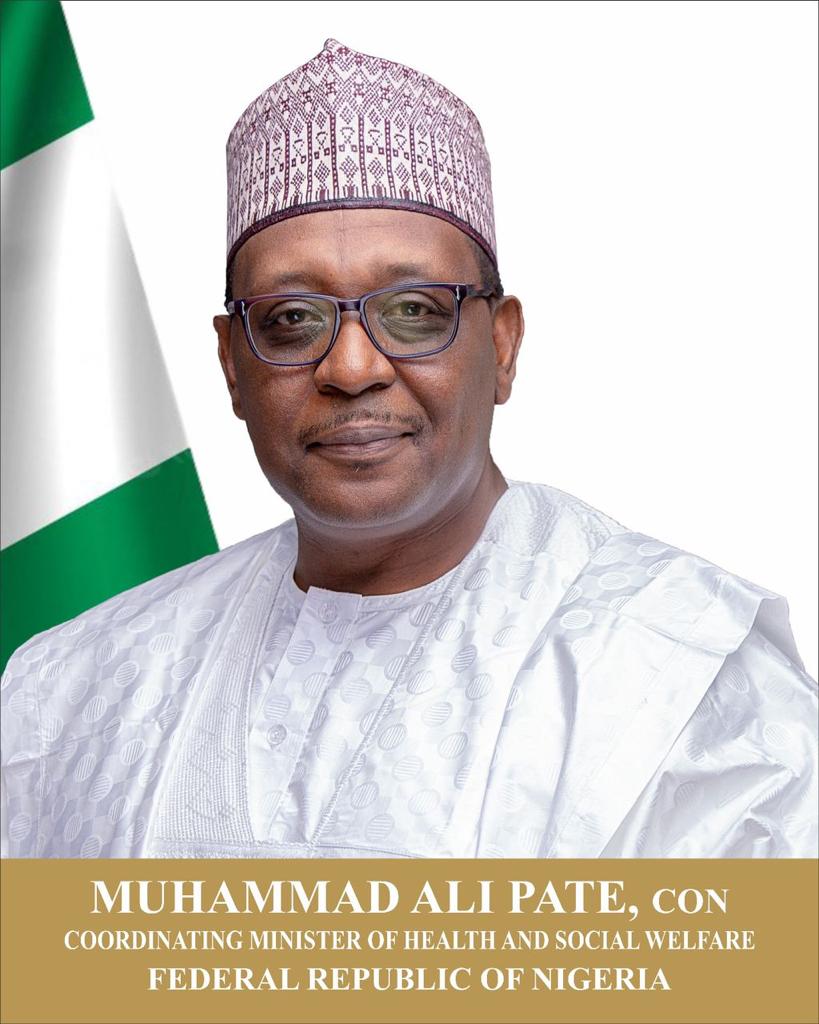
Coordinating Minister of Health and Social Welfare, Muhammad Ali Pate, said the project reflects the Federal Government’s broader efforts to revitalise the health sector under the Health Sector Renewal Investment Initiative launched by President Tinubu. According to him, the initiative demonstrates how partnerships with global organisations can translate into tangible improvements in healthcare delivery at the community level.
Pate noted that providing solar power to the facilities will improve vaccine storage, support reliable health services and enhance digital connectivity. He said the project will help maintain the vaccine cold chain, encourage health workers to remain at their duty posts and enable efficient data reporting through internet connectivity.
The minister added that more than 4,000 PHCs are currently being revitalised nationwide as part of the ongoing reforms aimed at improving healthcare outcomes for mothers, children, the elderly and the general population.
Executive Director of the National Primary Health Care Development Agency, Muyi Aina, said the solarisation project targets underserved communities with high numbers of “zero-dose” children who have never received routine vaccines. He explained that the 371 facilities across 16 states and the Federal Capital Territory have now been equipped with reliable solar power.
Aina said the intervention upgrades the affected facilities to “Level Two” PHCs, meaning they now possess essential infrastructure such as electricity, water supply and sanitation services needed to deliver healthcare effectively. He also revealed that nearly 2,600 out of over 4,000 PHCs being revitalised nationwide have already been completed.
Speaking on behalf of Gavi, the Vaccine Alliance, Edna Harimenshi said the solarisation initiative highlights the impact of strong collaboration between governments and development partners in strengthening health systems. She noted that reliable power supply will protect vaccine potency, support safe childbirth at night and enable health workers to provide better services.
Harimenshi said Gavi’s partnership with Nigeria over the past two decades has significantly improved routine immunisation coverage, noting that coverage for three doses of the DTP vaccine has risen from 27 per cent in 2001 to about 67 per cent according to estimates by the World Health Organization and UNICEF.
She added that the alliance has invested more than $2.4 billion in Nigeria’s immunisation programmes, while the new solarisation project worth about $9 million is expected to benefit more than 115 million people across the country.
Also speaking, Mandate Secretary of the Health Services and Environment Secretariat of the Federal Capital Territory Administration, Adedolapo Fasawe, described the initiative as a major milestone in strengthening healthcare infrastructure. She noted that many of the selected facilities are located in “zero-dose” local government areas where immunisation gaps are highest.
Fasawe emphasised that reliable electricity is critical to quality healthcare delivery, noting that solar-powered facilities will support vaccine cold chains, maternal and newborn care, diagnostics and continuous service delivery even during emergencies. She assured development partners that the beneficiary states would ensure proper maintenance and effective use of the solar systems.
The project was implemented under the Gavi-CDS3 initiative, with installations carried out by eHealth Systems Africa and Differ Community Power under the coordination of UNICEF and the National Primary Health Care Development Agency.