
 Subscribe: Gist E-Paper
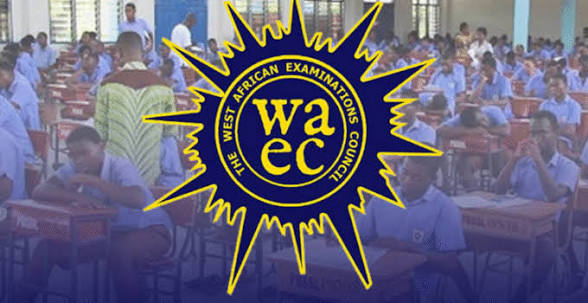
Female candidates have surpassed their male counterparts in registration for the 2026 West African Senior School Certificate Examination (WASSCE), with nearly two million students enrolled for the examination nationwide.
The Head of the Nigeria National Office of the West African Examinations Council (WAEC), Dr. Amos Dangut, disclosed this during a press briefing at the council’s headquarters in Yaba, Lagos.
According to him, 1,959,636 candidates from 24,207 secondary schools registered for the examination, comprising 1,001,072 females (51.08 per cent) and 958,564 males (48.92 per cent). He noted that the figures indicate a rise in female participation and a decline in male enrolment compared to the previous year.
Dangut explained that the examination, which commenced on April 21 with practical papers, will conclude on June 19 and will run for eight weeks and three days. Candidates are expected to sit for 37 subjects made up of 97 papers.
He added that about 29,000 senior secondary school teachers nominated by Ministries of Education across the country are serving as supervisors for the examination.
The WAEC chief assured candidates that results would be released within 45 days after the final paper, while certificates would be printed and distributed to schools within 90 days of the release of results. He added that successful candidates would also be able to access their certificates through the WAEC Digital Certificate platform.
Dangut said more schools had adopted the Computer-Based WASSCE (CB-WASSCE) introduced in 2025, citing its efficiency, alignment with global best practices and the success recorded during its maiden edition. The move, he noted, is in line with recommendations from the Federal Ministry of Education.
He further revealed that some offshore schools in neighbouring countries operating the WAEC curriculum had also embraced the computer-based examination format for the 2026 exercise.
To strengthen examination integrity and curb malpractice, Dangut said WAEC has continued the serialisation of question papers, ensuring that candidates receive different question sequences.
He explained that the innovation leverages information and communication technology to enhance examination security and has been further refined this year to improve effectiveness.