 Subscribe: Gist E-Paper
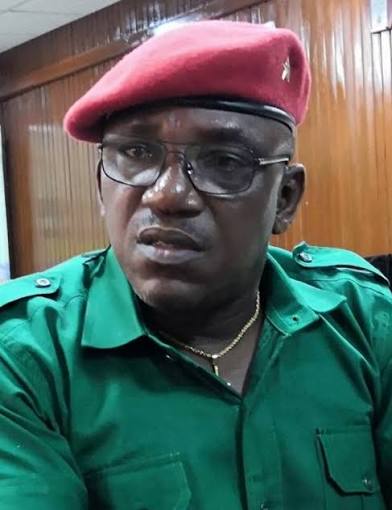
Former Minister of Youth and Sports Development, Solomon Dalung, has accused the Federal Government of lacking the political will to tackle Nigeria’s escalating security challenges, alleging that authorities are more effective at tracking government critics than pursuing terrorists and kidnappers.
Dalung made the remarks during Friday’s edition of Arise Television’s Morning Show, where he delivered a scathing assessment of the administration’s handling of insecurity and governance.
According to him, despite possessing sophisticated surveillance capabilities, security agencies have failed to deploy the same level of efficiency against terrorists who continue to operate openly across parts of the country.
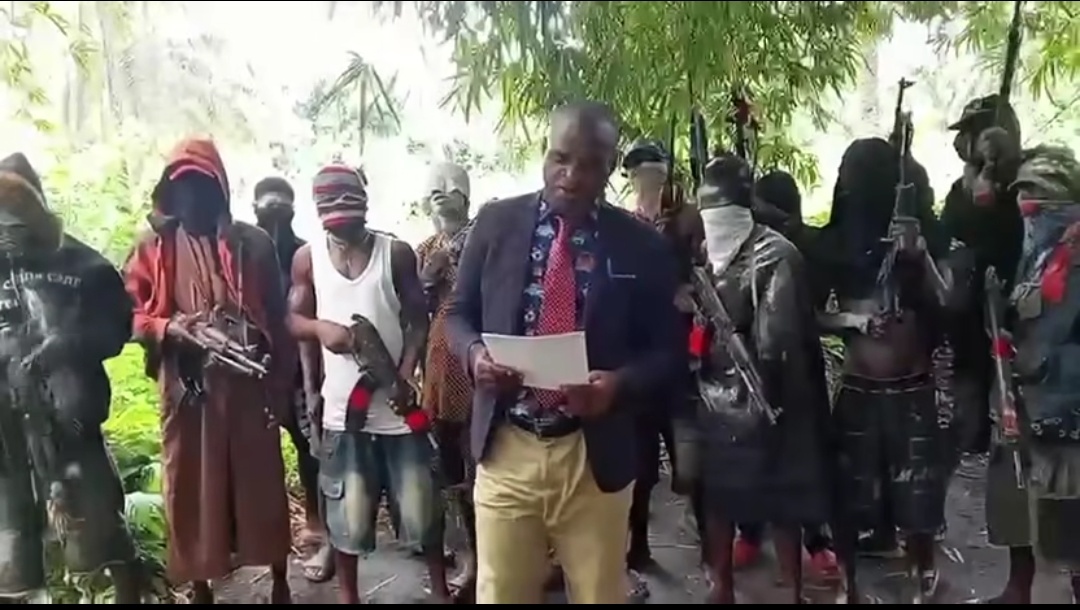
“Government seems not to have the political will to deal with it. They have all the gadgets to track anybody who criticises the government and arrest him within minutes, but they cannot track terrorists who openly communicate from the forests, abduct citizens and circulate videos of their atrocities,” he said.
The former minister dismissed recent calls by the Minister of Information for national unity against terrorism, describing the appeal as an admission that the government has run out of ideas in addressing the country’s worsening insecurity.
He argued that Nigeria’s security architecture remains ineffective because agencies operate independently rather than as a coordinated force, making it difficult to respond decisively to threats.
Dalung further warned that criminal groups have established what he described as a “parallel forest economy,” enabling them to sustain their operations without dependence on state structures.
Questioning the impact of foreign military support, he expressed doubts over claims of assistance from the United States, saying Nigerians have yet to witness any significant results from such collaboration.
He urged the government to move beyond public assurances and instead empower local communities with practical mechanisms to protect themselves against attacks.
Turning to politics, Dalung said the country was gradually reverting to a regional political structure reminiscent of the First Republic, with various geopolitical zones rallying around different political interests ahead of the 2027 elections.
He warned that the emerging political landscape could create uncertainty and intense competition as parties and regions position themselves for the next presidential contest.
Assessing President Bola Tinubu’s three years in office, Dalung described the administration’s performance as disappointing, arguing that promised reforms have failed to translate into meaningful improvements in the lives of ordinary Nigerians.
He maintained that while government officials continue to promote economic reforms, many citizens are experiencing increasing hardship, rising poverty and persistent insecurity.
However, political scientist Obafemi George defended the administration, insisting that the government deserves more time to implement its policies and consolidate gains already recorded.
George pointed to improvements in Nigeria’s sovereign credit rating and other economic indicators as signs of stabilisation, while attributing some of the country’s security challenges to broader instability across the Sahel region following the withdrawal of French military forces.
He also cited military operations and rescue missions in parts of the North-East and North-West as evidence that the government is making progress in combating insecurity.
According to him, major structural reforms require patience and long-term commitment, noting that no country has transformed its economy or governance landscape within a few years. He argued that many of the difficult measures currently being implemented are intended to lay the foundation for future growth and stability.