 Subscribe: Gist E-Paper
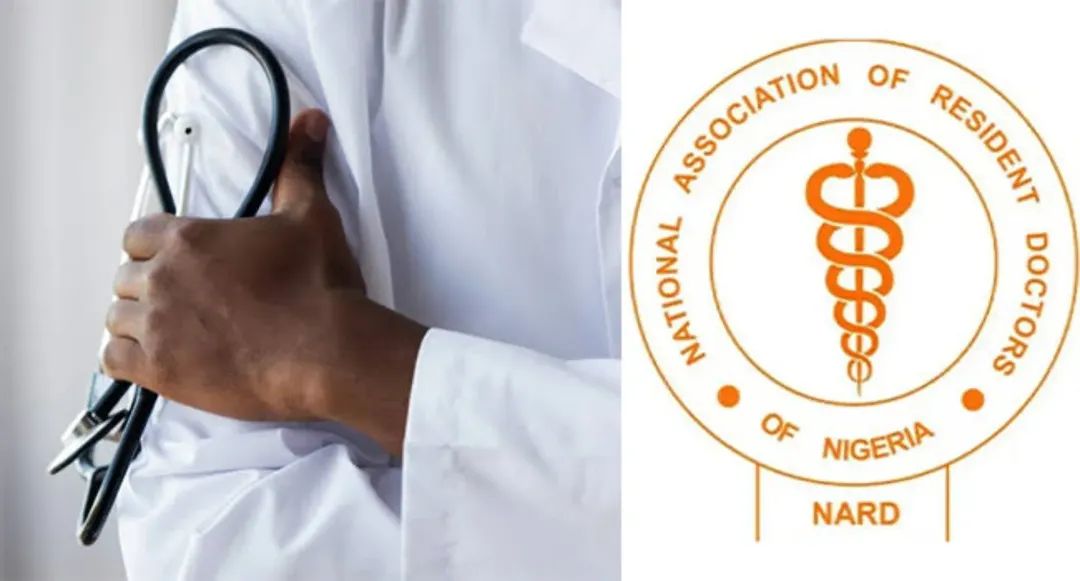
The Nigerian Association of Resident Doctors (NARD) has raised the alarm over what it described as growing public and media-driven misinformation on the proper management of snakebite cases, following reports surrounding the death of a young singer, Ifunaya, who allegedly died from complications of a snakebite at a hospital in Abuja.
In a statement jointly signed by its President, Dr Mohammad Usman Suleiman; Secretary-General, Dr Shuaibu Ibrahim; and Publicity and Social Secretary, Dr Abdulmajid Yahya Ibrahim, the association described the death as tragic and unacceptable, while extending condolences to the family, friends and fans of the deceased.
While acknowledging that public outrage over the incident is understandable, NARD said it was compelled to intervene because of the spread of inaccurate medical information, particularly statements allegedly made during a recent broadcast of TVC Breakfast.
According to the association, claims aired on the programme misrepresented standard medical practice in the management of snakebite victims, a development it warned could mislead the public and unfairly cast blame on frontline healthcare workers.
NARD clarified that contrary to claims made on the broadcast, tying or constricting a snake-bitten limb is no longer recommended in modern medical practice. It explained that the method has been abandoned due to evidence showing it can worsen tissue damage, increase the risk of necrosis and does not effectively prevent the spread of venom.
“Current, evidence-based medical guidelines strongly discourage this practice,” the association said.
The resident doctors further explained that the use of intravenous fluids in the management of snakebite victims is both appropriate and often life-saving, especially in cases involving shock, haemotoxic effects, dehydration or evolving systemic complications. The association described as misleading the suggestion that intravenous fluids are meant only for the treatment of malaria.
“It is incorrect to describe intravenous fluids as ‘treatment for malaria.’ They are a core supportive therapy used across a wide range of medical emergencies,” NARD stated.
The association emphasised that snake antivenom remains the definitive treatment for envenomation, noting that its timely administration can be the difference between life and death.
NARD, however, lamented the persistent shortage of antivenom and other essential medicines in many Nigerian hospitals, attributing the situation to long-standing challenges in health financing, procurement and supply chain management.
“Frontline healthcare workers operate under extremely constrained conditions, often without essential drugs, adequate equipment or sufficient manpower. Blaming them publicly for outcomes driven by systemic failures is unjust and counterproductive,” the statement said.
The association urged media organisations to consult qualified medical experts when discussing health-related issues and to ensure accurate, responsible reporting that informs and educates the public rather than inflaming emotions.
It also called on governments at all levels to prioritise the consistent availability of life-saving medicines such as snake antivenom, particularly in snake-endemic areas.
“Preventable deaths should lead to informed, constructive conversations on health system reform, not sensationalism or misplaced blame. Strengthening the health system and supporting healthcare workers is essential to preventing future tragedies,” NARD added.